





Environment & Climate
Environmental Impact & Climate
At Prima Electro, environmental impact management is fully integrated into our electronic design and manufacturing processes, with the goal of reducing energy consumption and emissions throughout the entire product lifecycle.
Resource optimization and manufacturing process efficiency are fundamental levers for reducing our environmental footprint and contributing to climate change mitigation. Through technological innovation, we develop electronic solutions designed to enhance energy efficiency and reduce the environmental impact of industrial applications, supporting sustainable development and circular economy models.
This approach translates into concrete actions, such as emissions monitoring, the integration of eco-design criteria, and the use of renewable energy sources, in line with European and international climate goals.
Emissions Scope 1, 2 and 3
What Gets Measured Gets Managed: Emissions Monitoring
In the industrial electronics and precision engineering sectors, understanding the origin of your emissions is the first step toward reducing them. Prima Electro adopts the GHG Protocol framework to classify and monitor greenhouse gas emissions across the entire value chain.
- Scope 1 — Direct emissions generated by manufacturing operations and the company fleet at the Moncalieri and Barone Canavese facilities.
- Scope 2 — Indirect emissions associated with purchased electricity, which are steadily decreasing thanks to the integration of renewable energy sources.
- Scope 3 — Indirect emissions along the supply chain: sourcing of electronic and metal components, inbound and outbound logistics, and product end-of-life.
Starting in 2023, Prima Electro initiated the systematic collection of emissions and energy consumption data. The results for the 2023–2025 three-year period show a consistent, favorable trend: overall energy consumption decreased by 16.6% — from 1,291,880 kWh to 1,077,614 kWh — with improvements recorded at both facilities.
Specifically, energy consumption was reduced by 15.9% (-131,788 kWh) at the Barone Canavese plant and by 17.8% (-82,478 kWh) at Moncalieri, demonstrating a steady progress that validates the effectiveness of the efficiency measures implemented.
These results are part of an industrial decarbonization journey aligned with European climate goals and the 2030 Agenda.
Ecodesing
Designed to Last: The Eco-design Approach
- Target 9.5 - Enhance scientific research, upgrade the technological capabilities of industrial sectors
- Target 12.2 - Achieve the sustainable management and efficient use of natural resources
- Target 12.5 - Substantially reduce waste generation through prevention, reduction, recycling and reuse
- Target 12.6 - Encourage companies to adopt sustainable practices and to integrate sustainability information into their reporting cycle
- Target 13.3 - Improve education, awareness-raising and human and institutional capacity on climate change mitigation, adaptation, impact reduction and early warning
Prima Electro integrates eco-design principles into the development of industrial electronic systems, transforming regulatory requirements into a competitive advantage. Our goal is to develop efficient, repairable products with a lower environmental footprint throughout their entire lifecycle.
On the regulatory front, the company operates in full compliance with the ErP (Energy-related Products) Directive and the new ESPR Regulation 2024/1781, which extends eco-design criteria to nearly all manufacturing sectors, setting specific requirements for durability, repairability, and the reduction of electronic waste (WEEE). In practice, this translates into:
- Modular design to facilitate component maintenance and upgrades
- Material selection with lower environmental impact during disposal and recycling
- Integration of eco-design into our ISO 14001 certified environmental management system
Photovoltaic (PV)
Powered by the Sun: The Photovoltaic System in Barone Canavese plant
- Target 7.2 - Increase substantially the share of renewable energy in the global energy mix
- Target 7.3 - Double the global rate of improvement in energy efficiency
- Target 13.1 - Strengthen resilience and adaptive capacity to climate-related hazards and natural disasters in all countries
- Target 13.2 - Integrate climate change measures into national policies, strategies and planning
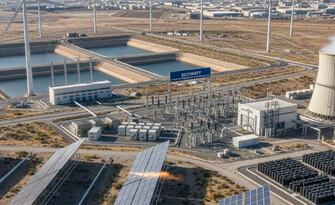
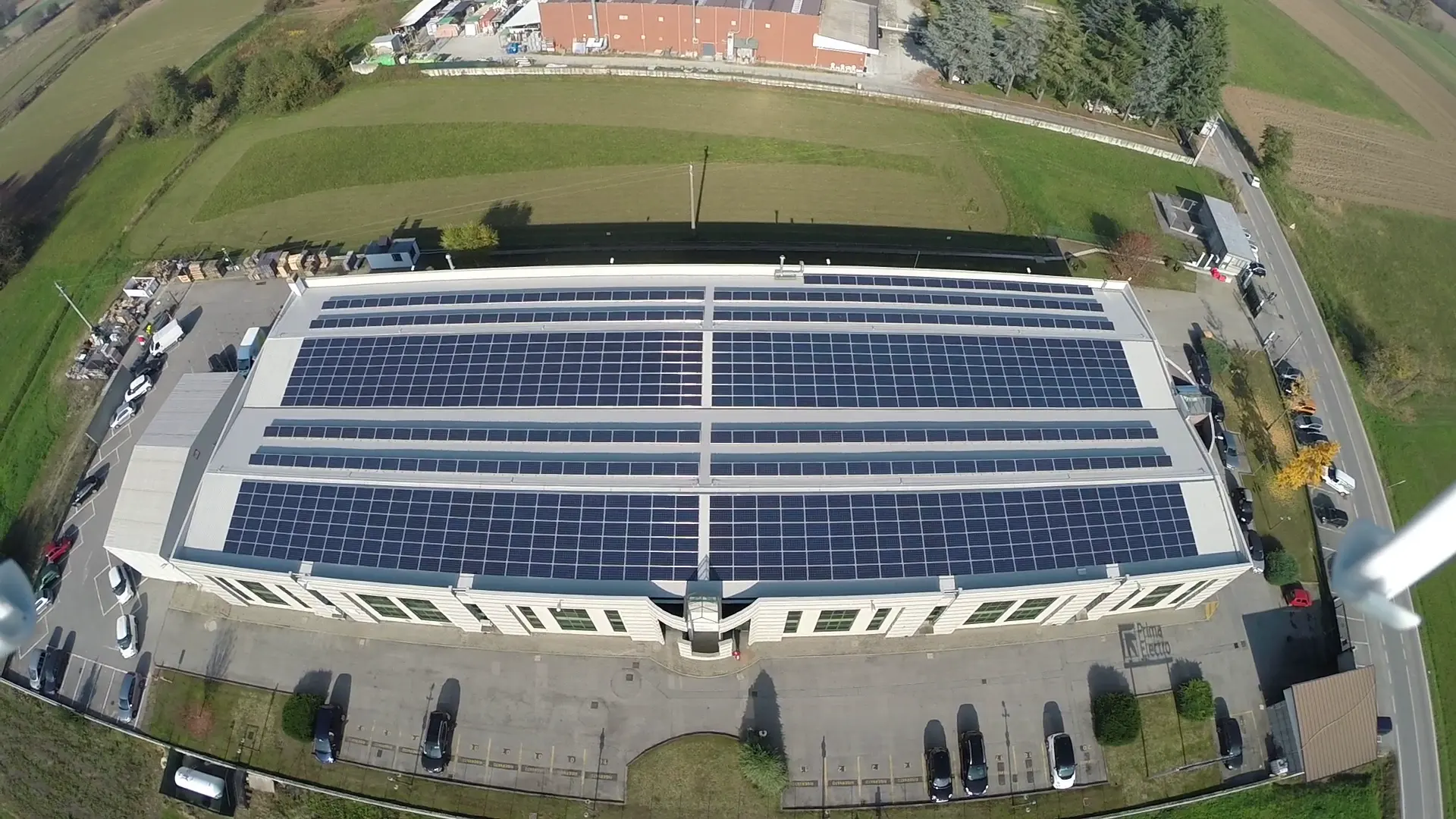
In 2015, Prima Electro installed a photovoltaic system at its Barone Canavese manufacturing plant, with a total capacity of 200 kWp. The system directly helps reduce Scope 2 emissions and lower energy costs, covering an increasing share of the facility’s energy requirements.
Over the 2023–2025 three-year period, the share of self-generated energy remained consistently around 15–17% of Barone Canavese's total consumption: 15.9% in 2023, 15.5% in 2024, and growing to 17.2% in 2025. This peak performance was achieved despite a simultaneous reduction in the site's overall energy consumption (-15.9% over the same period). These figures highlight the increasingly efficient operation of the system, proving it is a genuine improvement rather than merely a side effect of lower overall consumption.
The site’s electrification journey continues with new investments in energy infrastructure. High-power charging stations integrated with an intelligent energy management system, developed as part of the BESAIDE project, will be installed at the Barone Canavese plant. This solution will combine the photovoltaic system, a Battery Energy Storage System (BESS), and charging infrastructures, optimizing energy flows, reducing peak loads, and fostering an even more efficient use of energy generated from renewable sources.
These investments align with a clear ESG strategy: reducing dependence on fossil fuel energy, increasing the resilience of the manufacturing site, promoting sustainable mobility, and strengthening the company's environmental sustainability profile for customers, suppliers, and financial institutions.
PFAS/SVHC
Hazardous Substances: Phase-out Strategy and Compliance
- Target 12.4 - Achieve the environmentally sound management of chemicals and all wastes throughout their life cycle
Nell'industria elettronica e metalmeccanica, alcune sostanze chimiche tradizionalmente utilizzate nei processi produttivi — lubrificanti, rivestimenti anticorrosione, guarnizioni — rientrano nella categoria dei PFAS (sostanze per- e polifluoroalchiliche) o degli SVHC (Substances of Very High Concern) ai sensi del Regolamento REACH (CE n. 1907/2006).
Prima Electro manages this risk through a structured approach that combines regulatory compliance, active supply chain monitoring, and a progressive substitution strategy. On the compliance front, the company ensures systematic monitoring of the presence of SVHCs (Substances of Very High Concern) in articles and materials supplied, in line with the communication obligations under Article 33 of the REACH Regulation. This translates into:
- Declarations of Conformity — Prima Electro requests and collects REACH declarations from its suppliers, conducting periodic reviews aligned with the updates of the Candidate List published by ECHA.
- Control on Imported Articles — Specific assessments are carried out for materials originating from non-EU countries to ensure compliance with importer requirements, including the verification of regulatory thresholds for SVHCs.
- Progressive Substitution — Wherever technically feasible, Prima Electro pursues research and validation of alternatives free of substances of very great concern, in line with circular economy principles and to facilitate the recycling of metal and electronic materials at their end of life.
This approach ensures transparency across the entire supply chain and contributes to the protection of human health and the environment — anticipating upcoming European restrictions on PFAS currently being finalized.
What makes us what we are